

Weekly Reflection 01/19/2026
“Develop a passion for learning. If you do, it will never cease to grow.”
Anthony J. D’Angelo
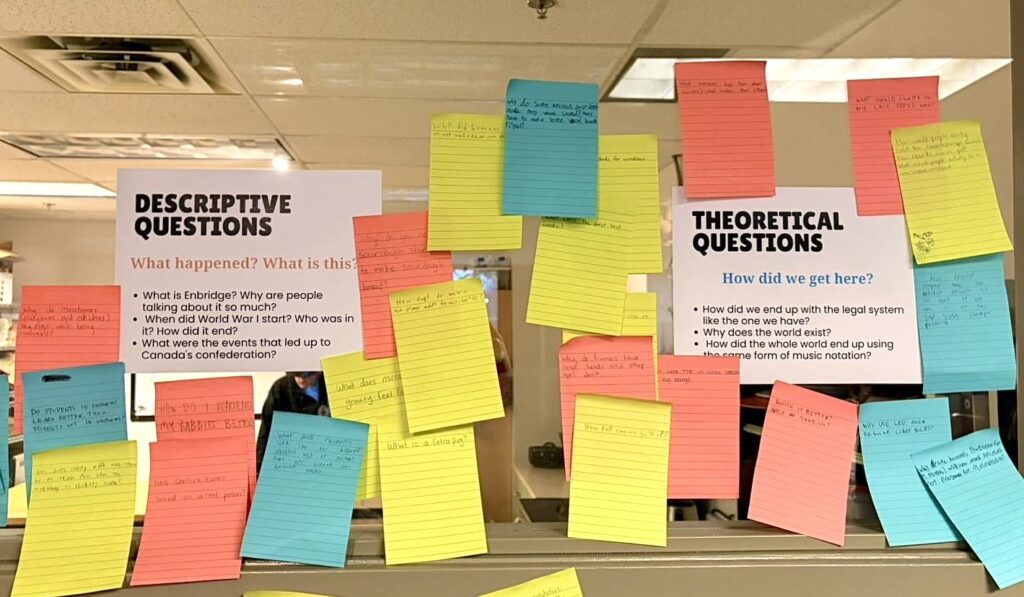
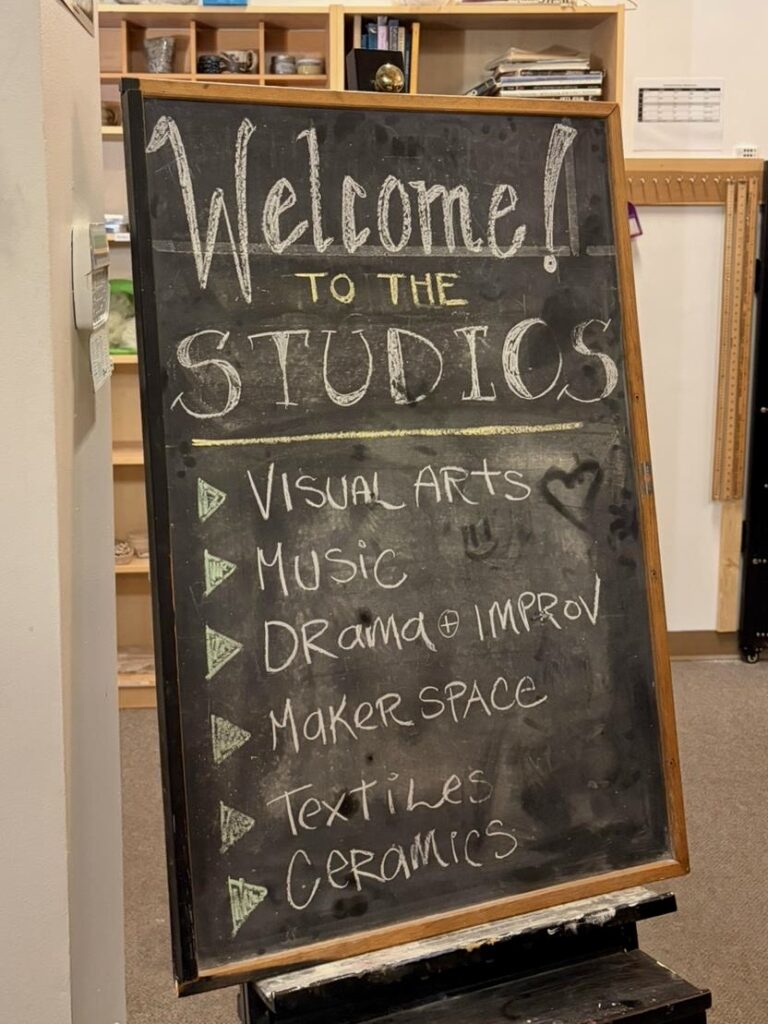
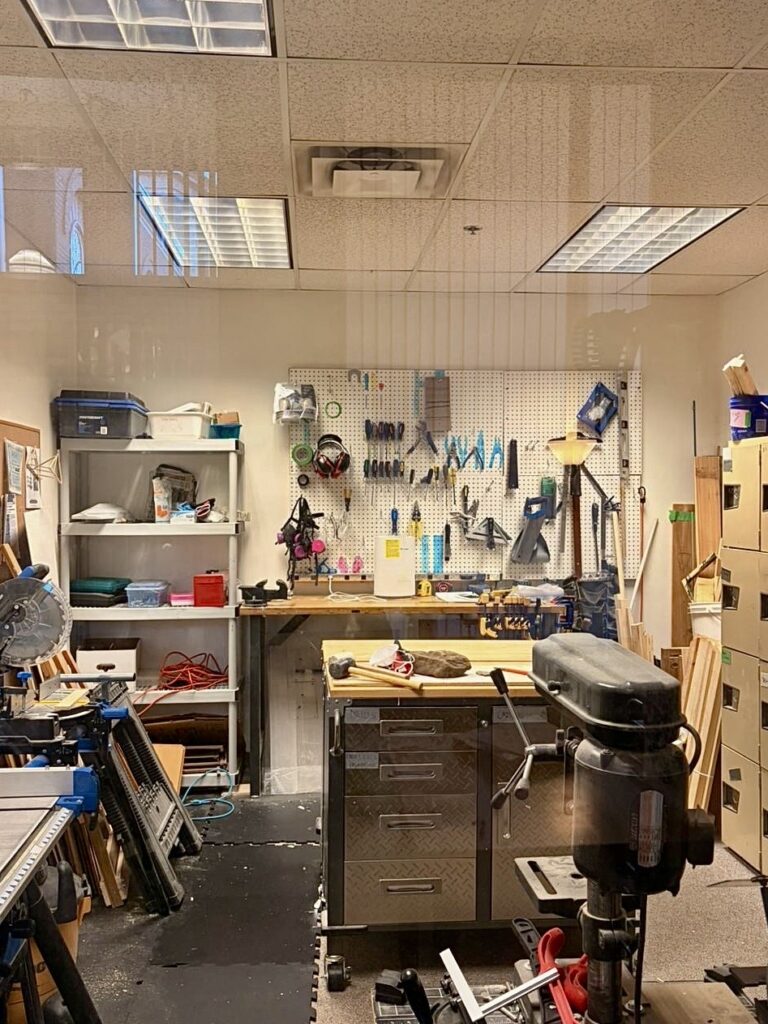
This week in EDCI 336, we went on a field trip to the Pacific School of Innovation and Inquiry (PSII) in Victoria, BC. We had the opportunity to explore the school, ask educators questions, and see how students learned through an inquiry-based, student-driven lens. At PSII, the learning process is inquiry-based, with a focus on personalizing the learning process for each student. Students’ learning pathways include a combination of emergent and common curriculum, in which students are encouraged to utilize their interests and passions as a tool for success in their educational journey. PSII emphasizes an educational approach in which students choose what and how they explore their learning; Students go off-campus, seek out experts in the community in various fields, and work alongside teachers to co-construct knowledge on different topics. The school offers an approach to education that is radically different from most schools in Victoria, and the field trip to PSII provided insight into a different learning environment and curricular design.

Explore the PSII website here.
Do we need to reimagine education?
The Pacific School of Innovation and Inquiry is a great example of how education can be reimagined and restructured to best suit each learner. Not only does PSII serve as an example, but the school also seeks to share their resources with other educational institutions. The PSII website offers learning resources, assessment tools, and inquiry tools for other educators to take advantage of, and explains the core values of the school as well as their learning process. As future educators, we should aim to ensure that the education children (and adults) have access to suits their individual learning needs and inspires a mindset of lifelong learning. Although there have been many positive strides forward in recent years, the current educational model in BC does not suit the needs of all students. Transitioning towards a more personalized learning system, such as the model demonstrated by the PSII, allows for greater flexibility and adaptations that best suit learners’ interests, strengths, and challenges.
What obstacles do educators often face when they try to change pedagogy?
While reimagining the educational system sounds like a great concept, it can be difficult to change longstanding educational norms. Educators may struggle to implement a student-centred approach because they lack the training, time, or incentives to do so in an effective manner. Teachers are responsible for teaching students based on the curricular standards in place; Educators must balance the pressure of curricular demands with personalized learning adaptations. If teachers lack the resources and support necessary to transition their teaching practices into a more student-centred approach, it can be very challenging to make these adjustments. Moreover, changing pedagogy is a hard task for an individual to achieve alone. Rather, educators must have a similar vision for change in the field of education. Systemic change is necessary when seeking to change pedagogy.
What concerns and/or excites me about this approach?
The approach that PSII models makes me excited for the future of education and my role as an educator. When we arrived at PSII, I was initially concerned about how the school prepared students for life after their time at the school.
Questions I had included:
- “How does the school align with the BC curricular standards?”
- “Are students prepared for the intensity and challenges of university/post-secondary programs?”
- “How do teachers assess students and ensure they are meeting the requirements they need to graduate?”
At PSII, the school is still required to fulfill BC curricular standards. Students fulfill the curricular requirements they need to, as is expected at any high school in BC. However, subjects are integrated, and there is an emphasis on uncovering knowledge as opposed to simply learning what is expected. As a result, depending on students’ interests, they will often go far beyond what is “required” of them and learn far more on a given topic than they would have in a traditional school setting. Additionally, students are, in some ways, even better prepared to face educational challenges in a post-secondary environment: Students have more practice with time-management, being proactive, and utilizing critical thinking skills that are essential in a post-secondary environment. While I was concerned about how PSII prepares learners for some aspects of university, such as test-taking (as that is not typically a form of assessment utilized at PSII), I learned on the tour that students will take mock tests to prepare for such situations. Students are assessed very regularly, and check in with teachers and peers daily. This helps students stay on track and allows them to seek support while maintaining agency over their own learning journey. The more I learned about PSII, the more excited I felt about the educational approach this school utilizes. What I found most exciting was how the school encourages students to learn through the lens of their passions and/or interests. This method of learning not only helps students see value in what they are learning but also empowers them to turn their passions into opportunities. Students learn how to align their personal interests with professional opportunities and engage in meaningful pursuits in line with their goals.
Resources:
Comments
One response to “Exploring the Pacific School of Innovation & Inquiry”
Ella, a wonderful post with the visuals.
Yes, “the current educational model in BC does not suit the needs of all students” is easy to assume, I would restate that to ‘while the traditional education model in many classrooms may not suit the need of all students’, my challenge is to address those inequities.
I plan to build in “flexibility and adaptations that best suit learners’ interests, strengths, and challenges”. I will “balance the pressure of curricular demands with personalized learning adaptations”, embracing that adaptation, not waiting for others to teach me and provide the resources. I will not throw up my hands and believe the system is broken.
You have a lot of creative control in the elementary classroom and school. Your guiding challenge is clear, and you stated it: “What I found most exciting was how the school encourages students to learn through the lens of their passions and/or interests.”
Go forth and enjoy doing just that in your own classroom!